
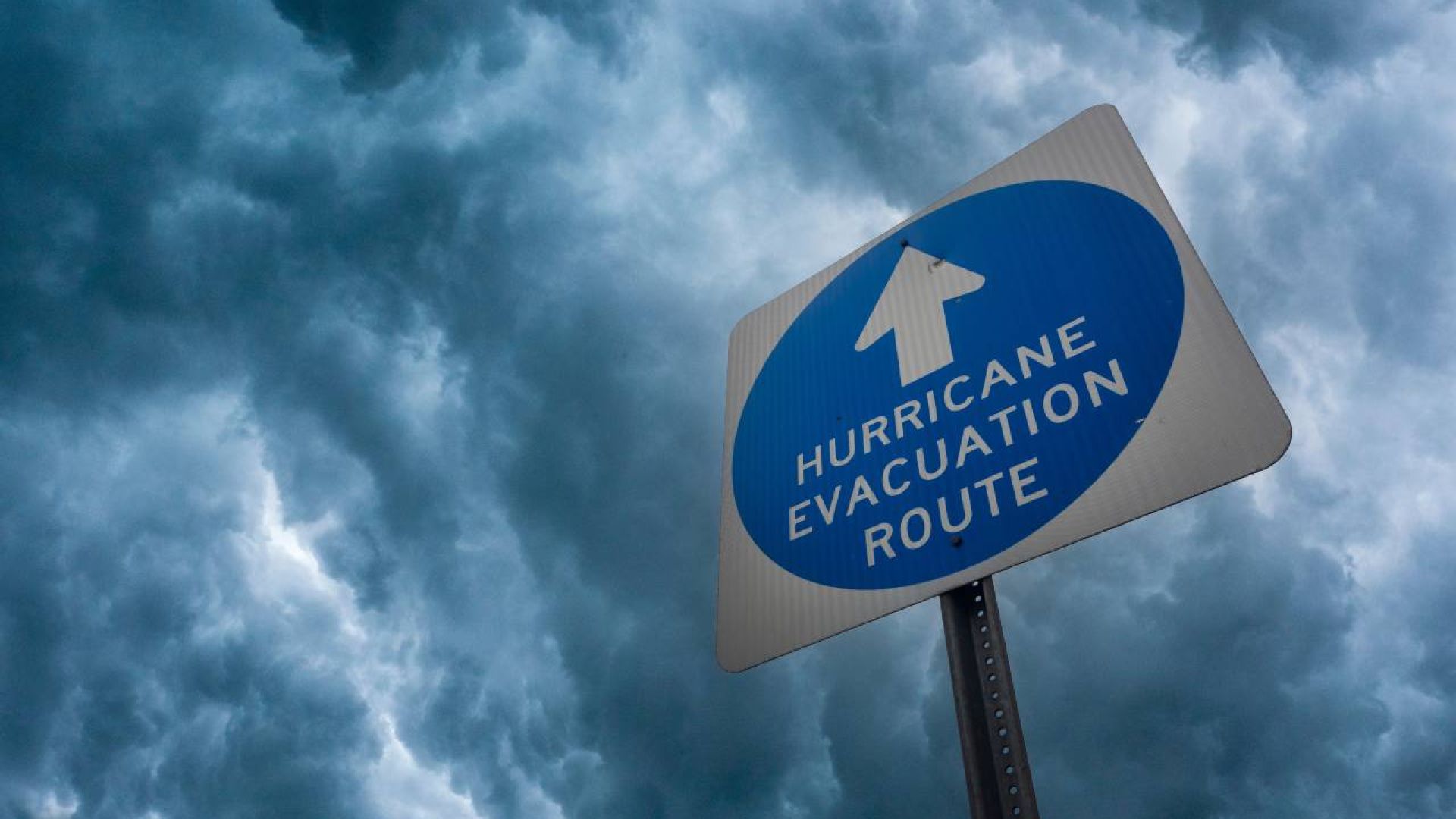
Hurricanes pose a serious threat to Louisiana’s energy system, not just because hurricanes can knock out power, but because they force multiple parts of the energy industry into emergency modes at once. Offshore operations may shut in, solar arrays may be secured, and nuclear units may transition to shutdown procedures. In the end, it ultimately depends on the big connecting factor: whether the grid can absorb the storm impacts and restore service quickly afterward.
Louisiana’s preparation story matters as much as the storm itself. Energy industries can do everything “technically correct” on their end, but if transmission and distribution are vulnerable, customers still pay the price with outages and long recovery times. In response, Louisiana utilities have been hardening infrastructure and running readiness efforts year-round so storms like Isaias don’t translate into extended disruption.
Offshore oil and gas: shut-ins and evacuation before conditions get dangerous
Louisiana’s energy footprint includes offshore production in the Gulf of Mexico, where safety risks can escalate rapidly as wind and seas intensify. When a major tropical system threatens, rigs may evacuate and shut in before the storm reaches the riskiest conditions. The practical reason is simple: offshore crews and equipment are not built to operate through hurricane-force seas, and securing wells and surface equipment in advance reduces the chance of accidents and equipment damage. But this often means that production declines or pauses during the threat window.
Even after the storm passes, recovery isn’t instant. Restarting offshore operations requires inspections, confirmation that equipment has remained within safe parameters, and coordination around weather windows and repair schedules. So the impact of a storm on Louisiana’s energy sector would likely be felt first as a production slowdown, then as a staged return to normal operations.
Already reports of multiple offshore rig evacuations have been announced. As of Thursday, some 25 percent of all Gulf operations have shut down.
Solar: stowing to reduce wind lift and protect mechanical systems
Solar power brings a different hurricane challenge: wind-driven mechanical stress. Large solar facilities, like those with tracking mounts, can be exposed to uplift forces created by high winds. Before the storm, solar facilities may tilt or “stow” panels to minimize wind lift. Stowing helps reduce aerodynamic forces and protects mounting structures and, in some designs, moving parts like tracker systems.
During a storm, that means solar output could be reduced or temporarily paused while arrays are secured, and operators would then focus on post-storm inspections. Trackers and structural components may need checks for alignment, mechanical wear, and potential damage before full generation resumes. For solar, the goal is often less about keeping energy flowing through the storm and more about preventing damage that would turn a short disruption into a long recovery.
Often times, the immediate weather system after a hurricane includes clear blue skies - perfect conditions for solar production during recovery. Solar panels are rated for hurricane-force winds, and can be engineered with strong storms in mind.
Nuclear: required shutdowns and reliance on diesel backup for critical functions
Nuclear power plants handle hurricanes with a combination of hard design, frequent operator training, and tightly choreographed emergency procedures. Per a Nuclear Energy Institute (NEI) study, nuclear energy sites are built to withstand hurricanes and have a history of success. Operators are also trained regularly on how to respond to external events like hurricanes, and plants coordinate regularly with local, state, and federal authorities so everyone is operating from the same emergency playbook.
In the days before a storm arrives, crews follow NRC-guided guidance and site-specific emergency plans: surveying storm conditions, focusing on wind speeds and the storm’s track, then inspecting the site to secure anything that could be damaged by strong winds or become a hazard. A key step is confirming that backup power is ready: emergency diesel generators are tested and fueled to provide electricity to safety systems if the grid goes down, with fuel supply checked ahead of the storm. As hurricane-strength winds near, reactors are shut down in advance of the highest conditions, and the NRC receives regular updates as the event approaches.
If external power is lost during or after the hurricane, reactors are designed to shut down automatically as a preemptive safety measure, and emergency diesel generators start immediately to power critical systems. Operators can also choose to shut down manually as an added precaution. The overall result is a consistent safety posture—plan early, move into shutdown mode before peak winds, and rely on onsite backup power to keep vital functions running even when the grid is disrupted.
As of Thursday, Louisiana's nuclear units at River Bend and Waterford are performing regularly.
The grid: hardening and storm readiness that shape restoration time
Even if offshore, solar, and nuclear assets handle hurricanes in their own engineered ways, the customer experience depends on distribution reliability and restoration capabilities. That’s where Louisiana utilities’ hardening and readiness investments become decisive.
In a June press release, Cleco officials said their readiness efforts are part of a year-round planning strategy for a range of weather-related events, including tropical systems. Cleco’s approach reflects the idea that storm preparation can’t start when the hurricane forecast goes up—it has to be built into the operating culture long before the storm season arrives.
Cleco’s Mark Kleehammer, speaking at an LPSC meeting, framed the value of hardening as a trade-off between reliability gains and the higher costs of restoration during severe conditions. He emphasized that while restoration costs matter, the biggest issue is customer inconvenience when power is out.
Louisiana utility preparation can take several forms. Cleco has described efforts like reliability crews removing overgrown and hazardous vegetation in company rights-of-way—work intended to reduce storm-caused faults that can cascade into larger outages. The company also began work on its largest grid resiliency investment, including replacing electric equipment, undergrounding parts of the system, reinforcing utility poles, and elevating substations above flood plains. These measures are aimed at reducing exposure to wind and flood damage, while making failures less likely to spread.
Entergy Louisiana points to the same resilience logic, shaped by a year that has already included ice storms, severe storms, and wildfires across its service footprint. Entergy said it has invested in resilience projects through the end of 2025, including 59-line hardening projects and 17 substation enhancements—investments described as helping keep customer costs low while supporting faster recovery time when storms strike.
Preparation, though, isn’t only capital spending. Entergy also described hurricane readiness exercises, including staging center training, logistics and resource management drills, and a companywide hurricane drill simulating a major storm making landfall. These activities are designed to make restoration more coordinated when conditions are chaotic, so crews know how to mobilize, how to manage materials, and how to execute switching and repair plans consistently.
So what could a hurricane mean in real life?
If a hurricane were to impact Louisiana, the experience would probably unfold in phases shaped by each part of the energy chain. Offshore production would likely shift early into shutdown and securement modes; solar facilities would likely stow to reduce wind lift and mechanical risk; and nuclear units would follow required shutdown procedures supported by diesel backup power for critical systems.
Meanwhile, the speed and scale of power outages, and how quickly service can be restored, would be influenced by how well Louisiana’s grid has been hardened and how prepared crews and logistics teams are. Utility resilience investments don’t stop hurricanes from happening, but they can determine whether outages are short and localized or prolonged and widespread.
All energy infrastructure is engineered to withstand mother nature. Sometimes she wins anyway. The difference is whether Louisiana meets the storm already fortified, secured, and ready to recover quickly once the winds calm back down.
Resources to help you prepare before the storm
- Louisiana Get a Game Plan - How to Prepare for Hurricane Season
- Louisiana Emergency Preparedness Guide
- Entergy Operation Storm Ready - Hurricanes
Stay up-to-date with current updates from:
- National Weather Service | National Hurricane Center
- 511LA.org for road conditions and real time traffic or dial 511
- Louisiana State Police or call 800-469-4828
- For non-emergency information call 211
- Report downed trees to 311
- Find open shelters: Text SHELTER and your Zip Code to 43362
- Entergy outage map (includes links to Louisiana, Mississippi and City of New Orleans maps)
- Cleco outage map
- SWEPCO outage map
- Poweroutage.us: Checks for power outages across the country. You can click on individual states and get county-by-county breakdowns
- GridStatus: Phenomenal resource with all the RTO's as a dashboard
- SPP: Quick real time displays for wind forecasts/generation, generation penetration
- MISO markets
- MISO operations: includes wind/solar forecasts, imports/exports, but also most importantly, generation outages
- EIA Grid Monitor: Hourly grid data for each balancing authority in the US. Shows generation by resource type, imports/exports from regions, etc.
Resources by parish
- Lafourche Parish - Emergency Alerts Sign Up
- Terrebonne Parish Emergency Preparedness
- St. Bernard Parish Office of Emergency Management
- St. Mary Parish - Prepare for a Hurricane
- Orleans Parish/City of New Orleans | NOLA Ready
- Jefferson Parish - Prepare Before the Storm
- St. Tammany Parish - Hurricane Evacuation Resources
- Cameron Parish Office of Emergency Preparedness
- Vermilion Parish
- Plaquemines Parish Storm Tracker Portal
- Lafayette Parish Emergency Notification System
You can start preparing your storm kit now. The most basic items should include:
- 1 gallon of water per person per day.
- Manual can openers and non perishable food
- Medication and a first aid kit
- Copies of important documents
- Flashlights, batteries, battery-powered radio
- Cash
Don't forget - be familiar with your evacuation routes and if necessary, check out local ferry routes. Once winds hit sustained 30-40 mph, ferries will cease operation and many bridges will close.
Entergy's Operation Storm Ready guide is available to help you prepare for any kind of severe weather living in Louisiana can throw at you. Download it and keep it on hand as a reference in case severe weather strikes your area.
Homeland Security and emergency preparedness files
- Emergency Evacuation Guidelines (PDF)
- Hurricane Evacuation Guidelines (PDF)
- Hurricane Tracking Map (PDF)
- Prepare Your Pets for Disasters (PDF)
- Special Needs Registration Form and Instructions - English (PDF)
- Special Needs Registration Form and Instructions - Spanish (PDF)
- CRI-Head of Household From (PDF)
Tips to be prepared
From the Office of Congressman Clay Higgins (Louisiana District 3)
- Make plans to protect your property. Shutter or cover windows to prevent them from breaking. Bring lawn furniture, toys, trash cans, and other objects indoors.
- Know where to go. Learn evacuation routes and contraflow procedures. Determine where you can stay and how you would get there if you need to evacuate. Find evacuation routes here.
- Gather personal documents, including Social Security cards, proof of residence, insurance policies, wills, deeds, birth & marriage certificates, etc. Make a record of these and all valuable possessions.
- Keep your automobile fully fueled in the event that gas supply becomes scarce or pumps lose operational capacity.
- Put together a go-bag: disaster supply kit, including a flashlight, batteries, cash, first-aid supplies, medications, and copies of your critical information.
- If you are not in an area that is advised to evacuate and you decide to stay in your home, plan for adequate supplies in case you lose power and water for several days and you are not able to leave due to flooding or obstructed roads.
- Make a family emergency communication plan.
- If you are receiving Social Security or Veterans Benefits make sure you have direct deposit. This will ensure you receive all of your benefits if you have to evacuate. The Social Security Administration’s telephone number is 1-800-772-1213 or visit their website.
- The Veterans Administration’s telephone number is 1-877-222-8387 or visit their website.
- Know how to shut off utilities. Know where gas pilots are located and how the heating and air-conditioning system works. If you have any questions, contact your local utility company.