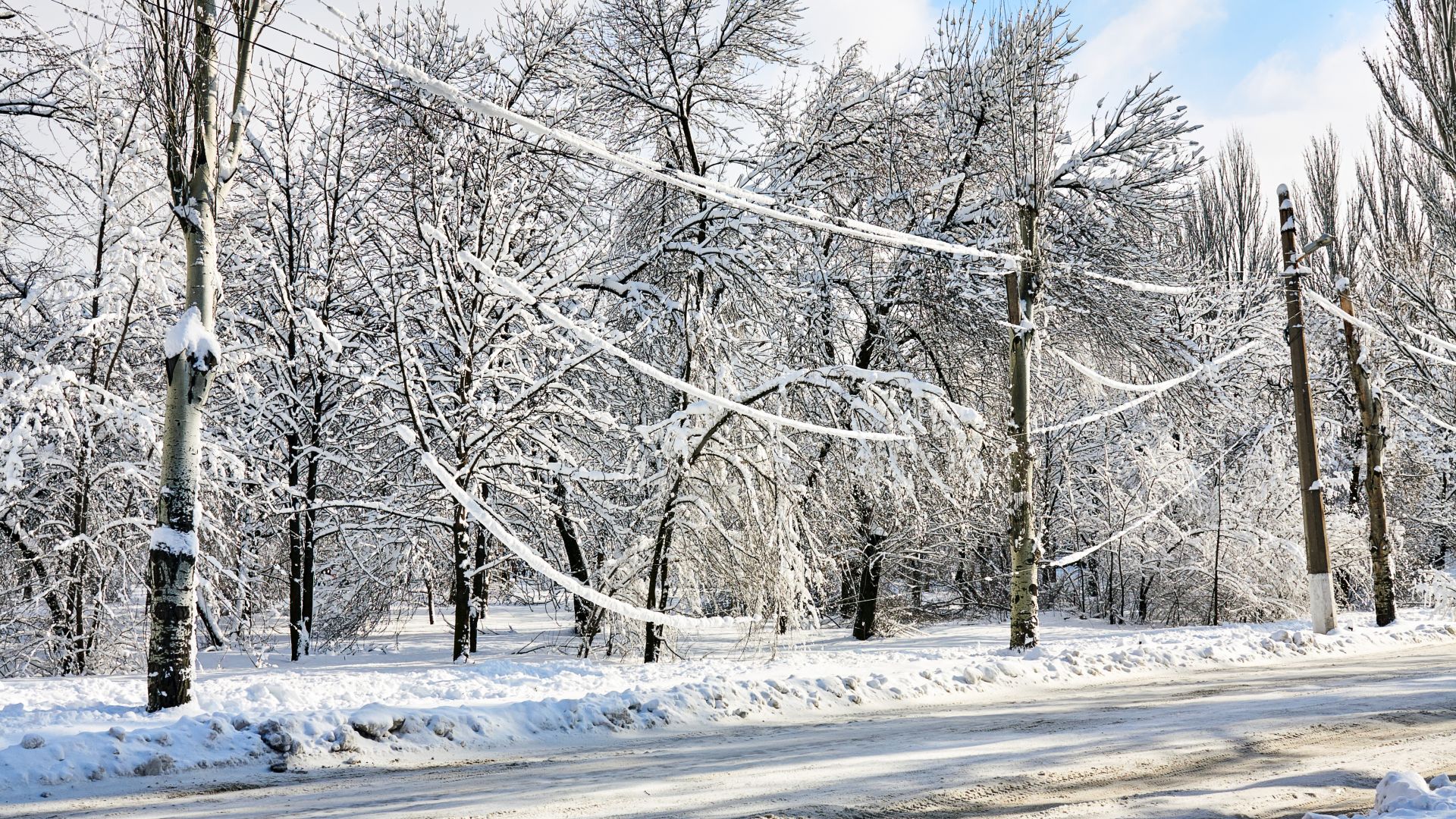
As we're preparing for Winter Storm Fern and the potential for snow, ice and some very cold temperatures across the Southeast, we're sharing these resources to help you monitor for outages and other reliability issues.
- Louisiana Department of Transportation for road conditions
- Entergy outage maps (Arkansas, Louisiana, Mississippi, New Orleans and Texas links included)
- Entergy winter storm preparation
- SWEPCO.com/outages
- SWEPCO storm preparation
- National Weather Service
- Poweroutage.us: Checks for power outages across the country. You can click on individual states and get county-by-county breakdowns
- GridStatus: Phenomenal resource with all the RTO's as a dashboard
- SPP: Quick real time displays for wind forecasts/generation, generation penetration, and LMP
- MISO markets
- MISO operations: includes wind/solar forecasts, imports/exports, but also most importantly, generation outages
- EIA Grid Monitor: Hourly grid data for each balancing authority in the US. Shows generation by resource type, imports/exports from regions, etc.
- Winter Storm Elliott: An independent review of Southern Company's performance during the historic events of December 22-25, 2022
Entergy's winter weather prep page includes tips like:
- Winterize your home by insulating walls and attics, caulking and weather-stripping doors and windows, and installing storm windows or covering windows with plastic. Clear rain gutters. Repair roof leaks and cut away tree branches that could fall on a house or other structure during a storm. View a quick video for ideas for winterizing your home.
- Insulate pipes with insulation or newspapers and plastic. Allow faucets to drip a little during cold weather to avoid freezing.
- Keep fire extinguishers on hand, and make sure everyone in your house knows how to use them.
Take care with alternate heating sources. During colder months, house fires pose an additional risk, as more people turn to alternate heating sources without taking necessary safety precautions. - Learn how to shut off water valves in case a pipe bursts.
- Have a licensed contractor check the structural liability of the roof to sustain unusually heavy weight caused from the accumulation of snow or water.
They also posted a list of terms that you will hear this week when listening to the news or when you listen to a trusted source for weather. These terms include:
Freezing rain: Creates a coating of ice on roads and walkways.
Sleet: Rain that turns to ice pellets before reaching the ground. Sleet also causes roads to freeze and become slippery.
Winter weather advisory: Cold, ice and snow are expected.
Winter storm watch: Severe weather such as heavy snow or ice is possible in the next day or two.
Winter storm warning: Severe winter conditions have begun or will begin very soon.
Blizzard warning: Heavy snow and strong winds will produce a blinding snow, near zero visibility, deep drifts and life-threatening wind chill.
Frost or freeze warning: Below freezing temperatures are expected.
Summit Utilities offered the following tips to stay warm and safe during a winter storm, including:
- Clear snow and ice around outdoor vents, meters, and flues to prevent blockages. Use a broom, not a shovel, to gently remove snow around gas equipment and avoid causing damage.
- Check proper ventilation in enclosed spaces and never use gas ovens or stovetops as a primary heat source.
- Install carbon monoxide detectors in key areas of your home and test the batteries regularly. If you suspect carbon monoxide exposure (headache, dizziness, nausea), leave your home immediately and call emergency services.
- Prepare an emergency kit with essentials such as blankets, flashlights, non-perishable food, and necessary medications.
- Watch for gas leaks and familiarize yourself with the smell of natural gas (similar to rotten eggs). If you detect this odor, avoid using electronic devices, including phones or light switches. Leave the area on foot immediately and call 911 from a safe location.
For more winter weather safety tips, visit summitutilities.com/safety/natural-gas-safety.
And finally, for recommendations to safeguard against frozen pipes during cold weather, we offer the following suggestions from Central Arkansas Water, Arkansas' largest water utility:
- Allow Faucets to Drip: During extremely cold nights, allow both hot and cold faucets to drip slightly to relieve pressure in the pipes and reduce the risk of freezing. This is particularly important for pipes located along exterior walls. Also, open cabinet doors beneath the sinks to allow extra heat to reach the pipes.
- Maintain Adequate Heating: Ensure that your home or business is adequately heated, especially in areas with water supply lines, such as the kitchen and bathrooms. Maintain a consistent temperature, even during nighttime hours.
- Insulate Pipes: Properly insulate exposed pipes, especially those in unheated areas such as basements, attics and crawl spaces, using pipe insulation or heating tape.
- Seal Cracks and Openings: Identify and seal any gaps or cracks in walls and foundations that allow cold air to reach pipes. Weatherstripping and insulation can minimize drafts. Also, remember to close or cover your crawlspace vents.
- Disconnect Outdoor Hoses: Disconnect and drain outdoor hoses and shut off the outdoor water supply if possible. This prevents water from freezing in the hoses and can help protect the connected indoor pipes. Also, covering your outdoor faucets with foam covers can add another layer of protection.
- Know the Location of Your Main Shut-Off Valve: Familiarize yourself with the location of the main water shut-off valve in case of an emergency. Turning off the water supply quickly can help minimize damage in the event of a burst pipe. Water can also be shut off at your water meter in an emergency.
Other notable sources:
Utility/RTO twitter accounts
RTO apps (ERCOT, MISO, PJM, SPP)
Individual utility power outage maps/apps